上文提到过栈以及栈的基本操作。上文中是基于链表做的实现。但是这种方法会出现大量的malloc()和free()操作,这种开销是非常昂贵的。
另外一种实现方式是基于数组的实现。这种实现方式需要预先制定一个栈的大小,此外还需要一个Top来记录栈顶元素下一个位置的数组索引值。如下图所示:
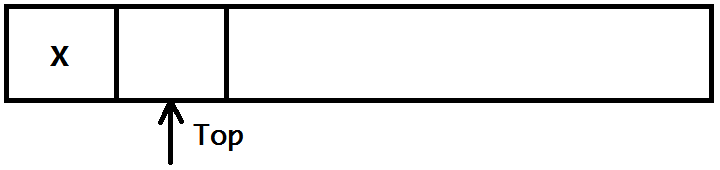
有的教材将Top指向栈顶元素,也就是上图中X所在的数组单元。我们这里不这么认为。
这种情况下栈的数据结构定义如下:
- typedef struct StackRecord *Stack;
- struct StackRecord
- {
- int Capacity;
- int Top;
- int *Array;
- };
主要操作如下:
- //判断栈是否为空
- int IsEmpty(Stack S);
- //判断栈是否已满
- int IsFull(Stack S);
- //创建栈
- Stack CreateStack(int MaxElements);
- //回收栈
- void DisposeStack(Stack S);
- //清空栈
- void MakeEmpty(Stack S);
- //进栈操作
- void Push(int X, Stack S);
- //返回栈顶元素
- int Top(Stack S);
- //出栈操作
- void Pop(Stack S);
- //出栈并且返回栈定元素
- int PopAndTop(Stack S);
一个完整的例子代码如下:
- #include <stdio.h>
- #include <stdlib.h>
- #define MIN_STACK_SIZE 5
- typedef struct StackRecord *Stack;
- struct StackRecord
- {
- int Capacity;
- int Top;
- int *Array;
- };
- //判断栈是否为空
- int IsEmpty(Stack S);
- //判断栈是否已满
- int IsFull(Stack S);
- //创建栈
- Stack CreateStack(int MaxElements);
- //回收栈
- void DisposeStack(Stack S);
- //清空栈
- void MakeEmpty(Stack S);
- //进栈操作
- void Push(int X, Stack S);
- //返回栈顶元素
- int Top(Stack S);
- //出栈操作
- void Pop(Stack S);
- //出栈并且返回栈定元素
- int PopAndTop(Stack S);
- int IsEmpty(Stack S)
- {
- return S->Top == 0;
- }
- int IsFull(Stack S)
- {
- return S->Top == S->Capacity;
- }
- void MakeEmpty(Stack S)
- {
- S->Top = 0;
- }
- Stack CreateStack(int MaxElements)
- {
- if(MaxElements < MIN_STACK_SIZE)
- {
- fprintf(stderr, "Can't create a Stack less than %d elements\n",MIN_STACK_SIZE);
- exit(1);
- }
- else
- {
- Stack S = malloc(sizeof(struct StackRecord));
- if(S == NULL)
- {
- fprintf(stderr, "Out of space!");
- exit(1);
- }
- S->Array = malloc(sizeof(int)*MaxElements);
- S->Capacity = MaxElements;
- MakeEmpty(S);
- return S;
- }
- }
- void DisposeStack(Stack S)
- {
- if(S != NULL)
- {
- free(S->Array);
- free(S);
- }
- }
- void Push(int X, Stack S)
- {
- if(IsFull(S))
- {
- fprintf(stderr,"The Stack Is Full");
- }
- else
- {
- //元素先入栈
- S->Array[S->Top++] = X;
- }
- }
- int Top(Stack S)
- {
- if(!IsEmpty(S))
- {
- int tmp = S->Top - 1;
- return S->Array[tmp];
- }
- else
- {
- fprintf(stderr,"The Stack Is Full");
- exit(1);
- }
- }
- void Pop(Stack S)
- {
- if(!IsEmpty(S))
- {
- --(S->Top);
- }
- else
- {
- fprintf(stderr,"The Stack Is Full");
- exit(1);
- }
- }
- int PopAndTop(Stack S)
- {
- if(!IsEmpty(S))
- {
- return S->Array[--S->Top];
- }
- else
- {
- fprintf(stderr,"The Stack Is Full");
- exit(1);
- }
- }
- int main(void)
- {
- Stack S = CreateStack(10);
- int i;
- for(i = 0; i < 10; i++)
- {
- Push(i,S);
- }
- while(!IsEmpty(S))
- {
- printf("%d ",PopAndTop(S));
- }
- printf("\n");
- return 0;
- }
转载于:https://blog.51cto.com/wawlian/716195


导致的问题)


